
Home Systems
HVAC and Mold: What Every New York City Homeowner Should Know
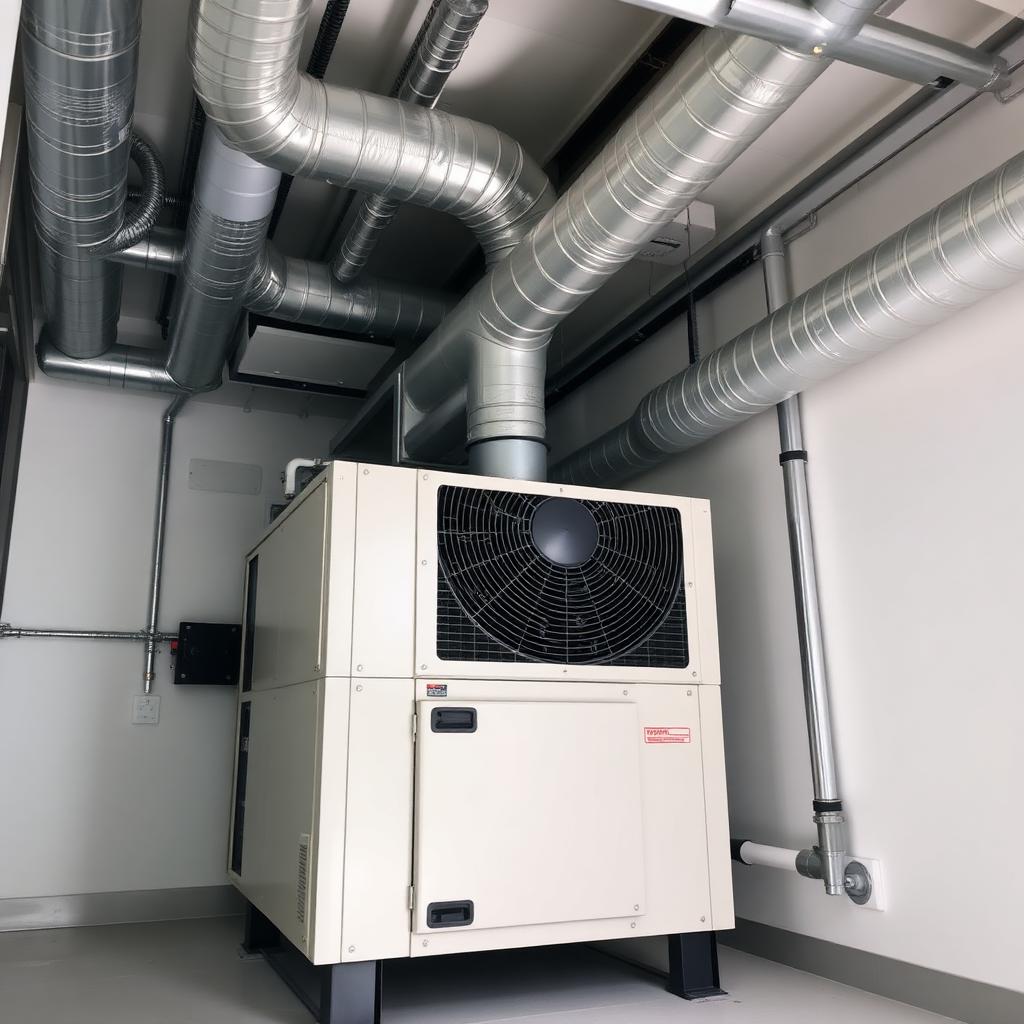
Almost every mold inspection we do on New York City touches the HVAC system in some way. The system that heats and cools your home also moves roughly the entire volume of your indoor air every 15-20 minutes — which means it either helps keep your home healthy or spreads contamination to every room in the house.
How HVAC becomes a mold source
Central air conditioning removes humidity by condensing moisture on a cold evaporator coil. That coil is wet every time the system runs. If the coil, drain pan, or drain line stays contaminated with dust and biofilm, mold and bacteria colonize the assembly and get blown into your ductwork every cycle.
Add ductwork that runs through unconditioned attics or crawl spaces — common in New York City homes — and you have long metal tubes cooler than the surrounding air. Condensation forms on and inside the ducts. Dust settles. Mold grows.
The oversized-system problem
Most New York City central AC systems are dramatically oversized. An oversized unit cools the space quickly, satisfies the thermostat, and shuts off before it has removed meaningful moisture. The house feels cool and clammy at the same time — and stays humid enough to support mold growth on interior surfaces.
A right-sized system runs longer cycles at lower capacity, pulling far more moisture out of the air. Variable-speed and inverter systems have made a huge difference here.
Signs your HVAC is contributing to a mold problem
A musty smell when the system first kicks on. Visible dark streaks around supply registers. Humidity above 60% even with the AC running. Family members whose allergy symptoms start indoors, not outdoors. Water pooling near the air handler. Any of these warrant an inspection.
What actually helps
Annual professional service including coil cleaning, drain line treatment, and blower inspection. High-quality pleated filters (MERV 11-13) changed on schedule. A whole-house dehumidifier tied into the return where humidity is chronically high. UV lights at the coil for households with sensitive occupants. Duct sealing and, in some cases, encapsulation of duct runs in unconditioned spaces.
Duct cleaning is often oversold — it helps when there's verified contamination, but it doesn't fix the underlying moisture problem. Cleaning ducts without addressing the source is a temporary reset, not a solution.
How we assess HVAC during an inspection
Our Certified Indoor Environmentalists inspect the air handler, coil, drain assembly, and accessible ductwork. We collect an air sample at a supply register and compare it to indoor and outdoor controls to see whether the system is amplifying contamination. The report tells you exactly what the HVAC is doing to your air — and what to do about it.
**Concerned about your HVAC?** HBH inspects across New York City. Call (631) 774-6502 or contact us online.
Keep Reading

Mold Testing
How to Test for Black Mold in Your NYC Apartment: Expert Tips
Worried about black mold in your apartment, co-op, or brownstone? Here's how to check for it, what DIY tests can and can't tell you, and when to call a licensed assessor.

Mold Testing
Do I Need a Mold Inspection? Here's How to Know
Mold is a serious issue in New York City. Here's how homeowners, tenants, and business owners can tell when it's time to call a licensed mold inspector.