
Real Estate
Mold Inspection for New York City Home Buyers — A Pre-Purchase Guide
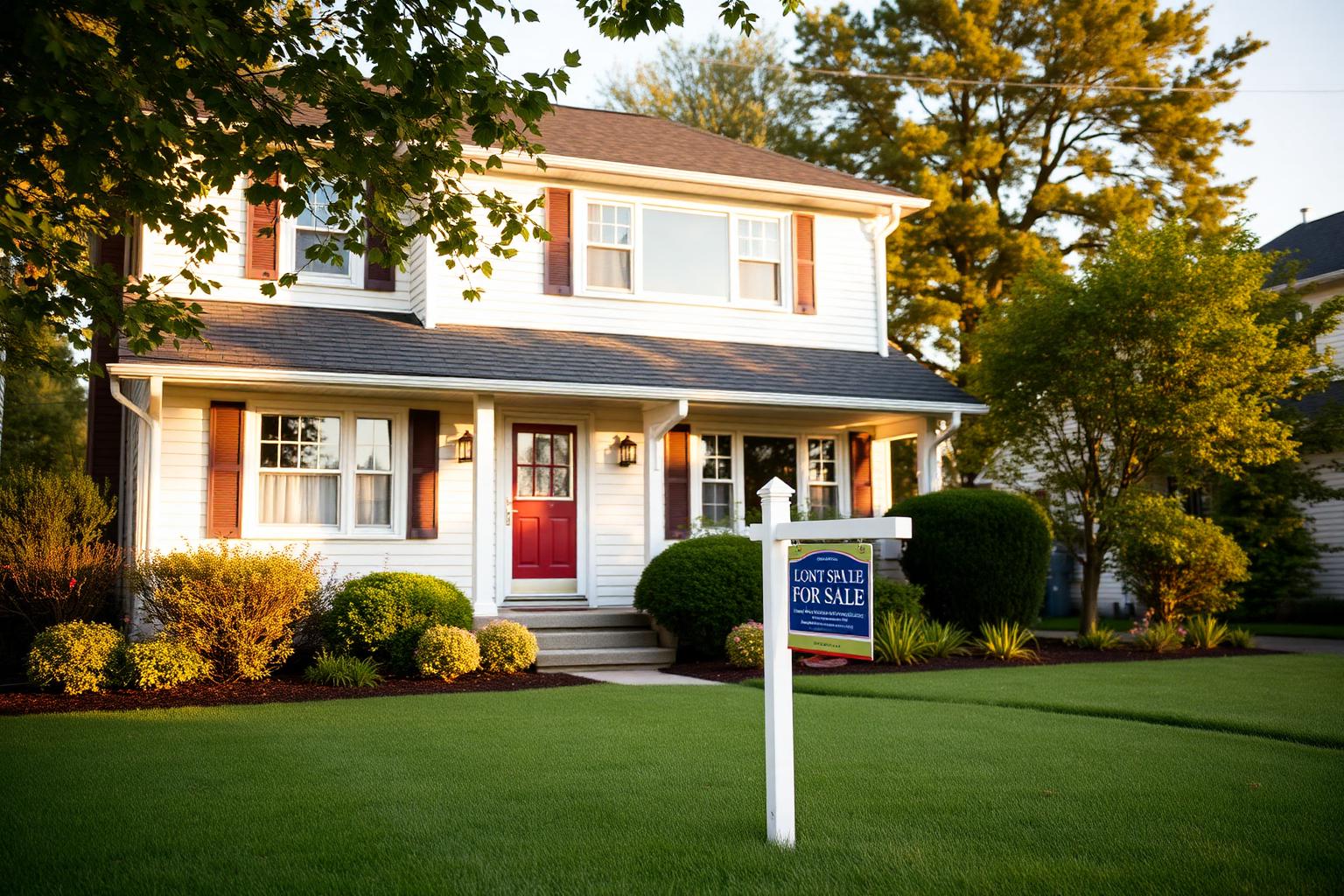
A standard home inspection is a great starting point — but it's not a mold inspection. If you're buying a home on New York City, especially one near the water, with a finished basement, or older than 30 years, a dedicated mold and indoor air quality assessment can save you tens of thousands of dollars and years of headaches.
What a standard home inspector checks
Home inspectors do important work. They check structural integrity, electrical systems, plumbing, HVAC function, roof condition, and identify visible deficiencies. They're generalists trained to spot problems across many systems.
What they typically *don't* do: - Air sampling - Lab analysis - Detailed moisture mapping - Thermal imaging in every area - Investigation behind walls or in HVAC interiors - Species identification of any mold spotted
Many home inspectors will note "evidence of moisture" or "possible microbial growth" — and recommend further evaluation. That further evaluation is what we do.
What we look for in a real estate inspection
When HBH inspects a property pre-purchase, we focus on:
**Historical evidence of water events.** Stains, repairs, recent paint in suspicious locations, replaced sections of drywall. Sellers don't always disclose past flooding or leaks.
**Building envelope failures.** Roof condition, flashing, window seals, siding, grading. These are the entry points for moisture.
**Crawl space and basement conditions.** Encapsulation status, vapor barrier presence, sump pump function, signs of intrusion, dehumidification.
**HVAC interior.** What does the inside of the air handler actually look like? Is the coil clean? Is the drain pan rusted? Has someone painted over rust?
**Attic conditions.** Ventilation, insulation moisture content, evidence of roof leaks, condensation on sheathing.
**Hidden moisture.** Thermal imaging across all exterior walls and ceilings.
**Air quality baseline.** Lab-analyzed air samples that document the property's current condition.
Why this matters financially
Mold remediation on New York City can range from a few thousand dollars for a small contained area to over $50,000 for whole-house contamination involving HVAC replacement. Hidden moisture damage can drive structural repair costs even higher.
Catching these issues before closing means: - You can negotiate price reductions - You can require remediation as a closing condition - You can walk away from a property that's worse than disclosed - You go into ownership with full knowledge of what you're buying
When to schedule
Schedule the mold inspection during your attorney review or due diligence period, after the standard home inspection is complete. We work efficiently — most homes can be inspected in 2-4 hours, with lab results back in 2-5 business days.
What about new construction?
New construction homes are not immune. We've inspected brand-new builds with significant mold issues from rain-soaked framing that wasn't allowed to dry before being closed in. Don't skip testing just because the house is new.
**Buying a home on New York City?** Add an HBH inspection to your due diligence checklist. Call (631) 774-6502.
Keep Reading
Mold Testing
How to Test for Black Mold in Your NYC Apartment: Expert Tips
Worried about black mold in your apartment, co-op, or brownstone? Here's how to check for it, what DIY tests can and can't tell you, and when to call a licensed assessor.

Mold Testing
Do I Need a Mold Inspection? Here's How to Know
Mold is a serious issue in New York City. Here's how homeowners, tenants, and business owners can tell when it's time to call a licensed mold inspector.