
Mold Testing
Mold After a Water Leak in an NYC Apartment: What to Do Before It Spreads
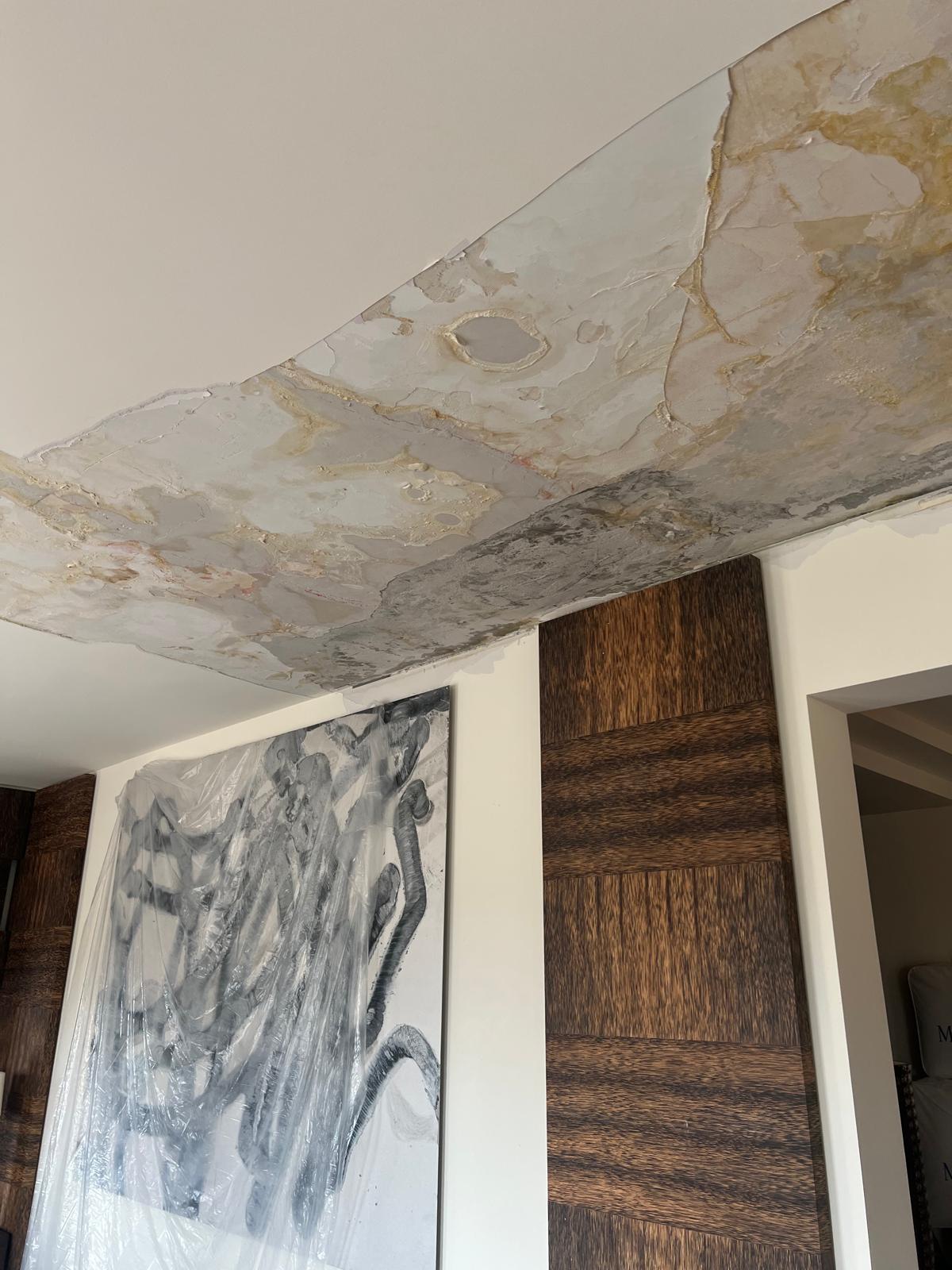
A leaking ceiling, burst pipe, overflowing bathtub, or water-damaged wall might seem like a straightforward repair. But in New York City apartments, even a relatively small water leak can create the conditions for hidden mold growth.
Whether you live in a Manhattan high-rise, a Brooklyn brownstone, a Queens apartment building, or a Bronx co-op, understanding what happens after water enters your home can help prevent a much larger problem.
At HBH - Healthy Buildings & Homes, we provide professional mold inspections, moisture assessments, and mold testing throughout New York City. Our goal is to identify the underlying source of a problem so property owners and residents can make informed decisions about the next steps.
Here's what you need to know after discovering water damage in your NYC apartment.
How Quickly Can Mold Develop After a Water Leak?
Mold needs moisture and a suitable material to grow. Unfortunately, many common building materials provide exactly what it needs.
Drywall, wood framing, insulation, carpeting, and paper-backed materials can support mold growth when they remain damp.
According to the U.S. Environmental Protection Agency (EPA), drying wet materials within 24 to 48 hours after a leak can prevent mold growth in many cases.
That doesn't mean every water leak produces mold within two days. The amount of moisture, building materials, humidity, temperature, and drying conditions all influence what happens next.
However, waiting several days before addressing water intrusion can complicate cleanup.
In NYC apartments, water can also travel beyond the visibly damaged area. A leak originating in an upstairs bathroom might affect ceiling cavities, insulation, and adjacent walls before anyone notices staining below.
Five Common Causes of Water Damage in NYC Apartments
1. Leaking Pipes Behind Walls
Many older NYC apartment buildings contain aging plumbing systems, shared water lines, and pipes concealed within walls.
A slow plumbing leak may continue for weeks before producing visible damage. By the time residents notice bubbling paint or a persistent musty odor, moisture may have affected materials behind the finished surface.
2. Upstairs Apartment Leaks
Water from another apartment can enter a unit through ceilings, plumbing penetrations, and structural cavities.
Common causes include overflowing tubs, leaking washing machines, faulty bathroom fixtures, and plumbing failures. Even after the upstairs leak is repaired, water-damaged materials in the apartment below still need to be evaluated.
3. Roof Leaks in Older Buildings
Roofing problems can allow rainwater to enter upper-floor apartments, especially during heavy storms. Water may accumulate above ceilings or behind plaster walls, making the extent of damage difficult to determine without proper inspection.
4. Window and Exterior Wall Leaks
Improperly sealed windows, aging masonry, and deteriorated building facades can allow moisture to enter during wind-driven rain. These problems can be particularly challenging because the water intrusion may only occur during certain weather conditions.
5. HVAC and Air Conditioning Condensation
Window air conditioners, fan-coil units, and cooling systems can produce condensation. Blocked drains, improperly installed units, or persistent condensation can leave nearby walls and flooring damp. When these conditions continue, mold growth becomes more likely.
What Should You Do Immediately After Discovering a Leak?
The first priority is stopping the water intrusion and preventing additional damage.
Step 1: Identify and report the source.
If you are a tenant, notify your landlord, superintendent, or building management as soon as possible. Homeowners should contact an appropriate plumber, roofing contractor, or building professional.
Step 2: Document the damage.
Photograph stained ceilings, wet flooring, damaged walls, and any visible growth. Record when the leak started and when repairs were completed. These records may be useful for property management, insurance discussions, and future assessments.
Step 3: Begin drying safely.
Once the leak has stopped and the area is safe, begin appropriate drying. Depending on the damage, professional water mitigation may be necessary. Avoid operating electrical equipment near standing water or damaged electrical components.
Step 4: Check surrounding materials.
A ceiling may appear dry while insulation or drywall behind it remains damp. Professional moisture measurements can help determine whether water has spread into concealed areas.
Step 5: Watch for signs of continuing moisture.
Recurring stains, peeling paint, persistent dampness, and musty odors can indicate that the underlying problem remains unresolved.
Signs That Mold May Be Developing After Water Damage
Not every water stain indicates mold. However, certain signs of building damage warrant further investigation:
- Persistent musty or earthy odors
- Dark or discolored growth on walls or ceilings
- Paint that bubbles, cracks, or separates from the surface
- Warped baseboards or flooring
- Damp drywall or plaster long after the original leak
- Recurring stains following previous repairs
- Moisture readings that remain elevated in affected materials
Mold can sometimes grow behind drywall, beneath flooring, or inside wall cavities without becoming immediately visible.
A fresh coat of paint may conceal a stain, but it does not resolve ongoing moisture or mold growth inside building materials.
Do You Need Mold Testing After Every Water Leak?
No. Professional mold testing is not automatically necessary after every leak.
When a minor leak is corrected promptly, materials are thoroughly dried, and there are no signs of continued moisture or mold growth, additional testing may not be needed.
However, a professional assessment may be appropriate when:
- Water damage went unnoticed for several days.
- The leak occurred repeatedly.
- Musty odors continue after repairs.
- Building materials remain damp.
- There is suspected mold behind walls or ceilings.
- Previous mold cleanup did not resolve the problem.
- A landlord, homeowner, or property manager needs documented findings.
An experienced mold assessor can determine whether laboratory sampling would provide useful information or whether a visual inspection and moisture investigation are more appropriate.
How Professional Mold Inspections Help After Water Damage
A professional mold inspection in NYC investigates more than the visible appearance of a water stain.
At HBH - Healthy Buildings & Homes, our assessment process can include:
Moisture Mapping
Specialized moisture meters help identify damp building materials and areas where water may have traveled beyond the obvious damage.
Thermal Imaging
Thermal cameras can identify temperature patterns associated with potential moisture issues. Findings must be interpreted alongside other inspection methods because thermal imaging does not directly detect mold.
Visual Inspection
A trained assessor examines accessible walls, ceilings, flooring, and surrounding building conditions to identify evidence of moisture intrusion or microbial growth.
Mold Air and Surface Sampling
When appropriate, samples can be collected and analyzed by a laboratory to provide additional information about potential mold contamination.
Written Findings and Recommendations
A documented report can help homeowners, tenants, and building managers understand the extent of the concern and the next steps for appropriate repairs or remediation.
Learn more about our residential mold inspection services.
NYC Landlord Responsibilities After Water Damage
New York City has specific requirements concerning mold and moisture conditions in rental housing.
Under NYC Local Law 55 of 2018, owners of buildings with three or more apartments generally must investigate and address indoor mold hazards and the underlying conditions that create them.
Covered owners must also carry out periodic inspections and respond to relevant tenant complaints. For qualifying larger mold conditions, New York State-licensed mold assessment and remediation professionals are required.
Tenants should notify their landlord or building management of leaks and suspected mold promptly, preferably in writing. If a landlord does not address the problem appropriately, tenants may contact NYC 311 to request assistance or report conditions.
Specific responsibilities and procedures depend on the building and circumstances.
Why Simply Painting Over Water Damage Isn't Enough
One of the most common mistakes after a leak is repairing the cosmetic damage without confirming that the underlying materials are dry.
A freshly painted ceiling may look perfect while moisture remains trapped above it. If damaged porous materials have developed mold, painting over them is not a substitute for appropriate remediation.
Proper repairs address the source of water intrusion, determine whether affected materials can be safely dried or cleaned, and replace materials when necessary.
The objective isn't simply to make a surface look better. It's to correct the conditions that caused the damage.
Frequently Asked Questions
Can mold grow behind walls after a ceiling leak?
Yes. Water may enter concealed cavities and affect drywall, insulation, wood, and other building materials. Mold may grow there if materials remain damp, even when the visible surface appears relatively normal.
Should I ask for mold testing before my landlord repairs the ceiling?
Not necessarily. The immediate priority is correcting the leak and safely drying or addressing damaged materials. If the extent of contamination is unclear, a professional assessment before closing the wall or ceiling can help identify whether additional work is needed.
Can mold return after a water-damaged ceiling is repaired?
Yes. Mold may recur if moisture intrusion continues or contaminated materials were not adequately addressed.
Is mold air testing enough to identify water damage?
Not always. Air sampling can provide useful information, but it does not locate every hidden moisture problem. A complete assessment may also require visual inspection, moisture measurements, and investigation of the building's water-damage history.
Schedule a Professional Mold Inspection in NYC
Water damage doesn't always result in a mold problem, but unresolved moisture shouldn't be ignored.
At HBH - Healthy Buildings & Homes, our experienced mold assessment team helps New York City residents, landlords, and property managers investigate suspected mold, hidden moisture, and indoor air quality concerns.
We serve Manhattan, Brooklyn, Queens, the Bronx, and Staten Island, providing clear assessments and practical recommendations.
If your apartment has experienced a leak and you're concerned about hidden mold, we're here to help.
Call (631) 774-6502 or schedule an NYC mold inspection today.
Live Healthy. Live Smart.
Keep Reading
Mold Testing
Post-Remediation Mold Testing in NYC: How to Know Your Mold Problem Is Really Gone
Cleaning up mold is one step. Find out how post-remediation clearance inspections help verify that work was completed properly in New York City properties.
Mold Testing
How to Test for Black Mold in Your NYC Apartment: Expert Tips
Worried about black mold in your apartment, co-op, or brownstone? Here's how to check for it, what DIY tests can and can't tell you, and when to call a licensed assessor.