
Mold Testing
Post-Remediation Mold Testing in NYC: How to Know Your Mold Problem Is Really Gone
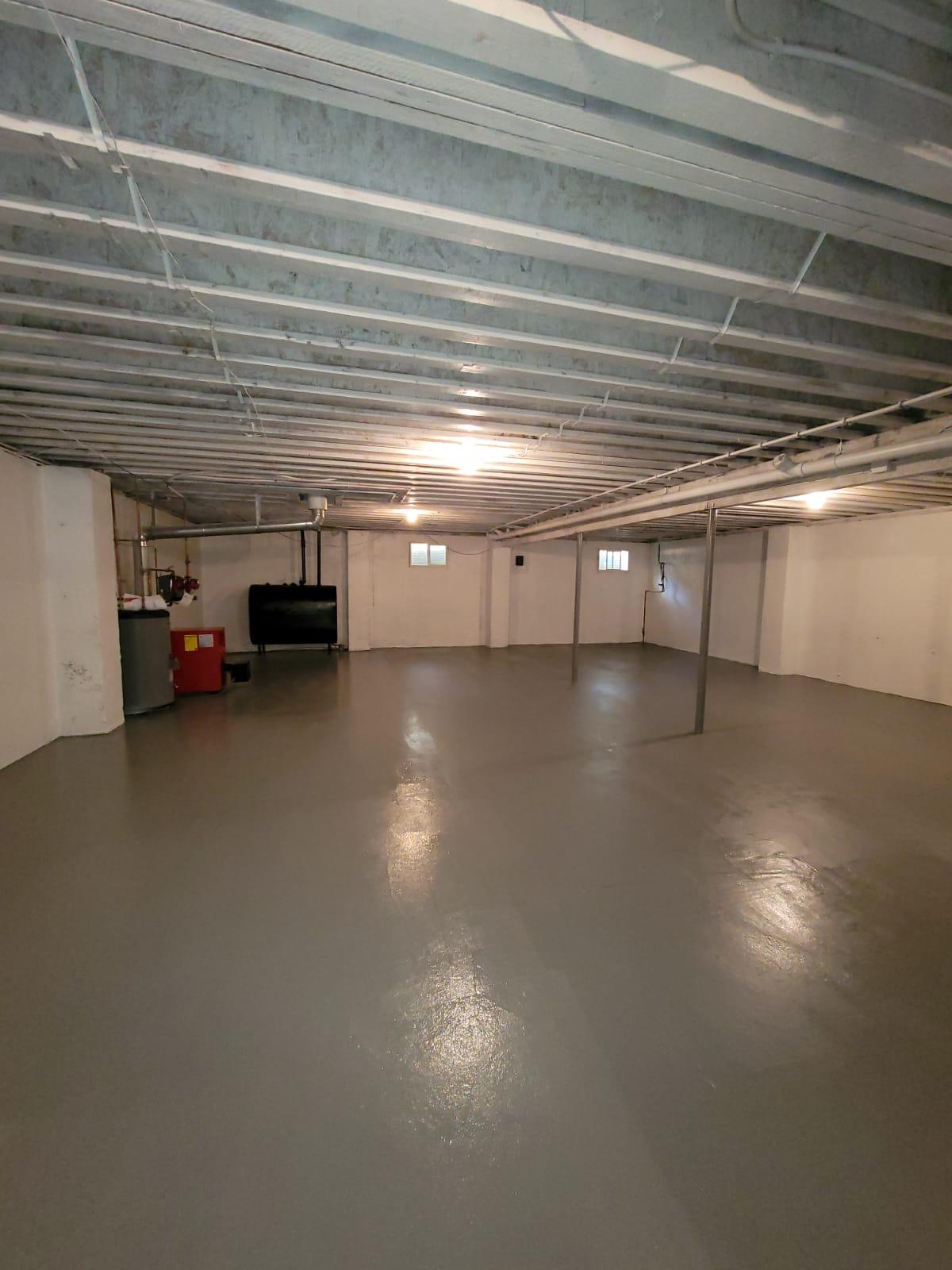
You've hired a contractor to remove mold from your apartment, home, or commercial property. The damaged materials have been removed, the affected areas have been cleaned, and the work appears complete.
But how can you be confident the remediation was successful?
For New York City property owners, tenants, co-op boards, and building managers, that is an important question.
Post-remediation mold assessments, sometimes called mold clearance inspections or clearance testing, help determine whether cleanup has been completed according to the established remediation plan.
At HBH - Healthy Buildings & Homes, we understand the importance of properly evaluating mold conditions before and after remediation work.
Here's what New Yorkers should understand about mold clearance, professional inspections, and protecting their properties from recurring moisture problems.
What Is Post-Remediation Mold Clearance Testing?
Post-remediation mold clearance is the process of evaluating an area after mold cleanup to determine whether the remediation work has met the required criteria.
Unlike an initial mold inspection, which identifies suspected contamination and sources of moisture, a post-remediation assessment focuses on the results of the cleanup.
The objective is to answer several important questions:
- Has the identified mold growth been properly removed?
- Were affected building materials adequately addressed?
- Is the work area free of visible mold?
- Have moisture problems been corrected or properly identified for repair?
- Does the completed work satisfy the requirements of the remediation plan?
- Is additional cleanup or investigation necessary?
The process can include a detailed visual inspection, moisture measurements, and targeted sampling when appropriate.
Importantly, a clearance assessment is not simply an air test. It involves evaluating the physical condition of the remediated area and the results of the completed work.
Why Mold Clearance Inspections Matter in New York City
New York City buildings present unique challenges when it comes to mold remediation.
Older apartment buildings, shared plumbing systems, concealed wall cavities, and limited access to certain structural areas can make moisture problems difficult to resolve.
For example, a contractor may remove visibly contaminated drywall following an upstairs plumbing leak. However, if the underlying plumbing problem remains unresolved or adjacent materials remain wet, mold could return.
In another situation, a remediation crew might remove contaminated materials but leave dust or debris in the work area.
Without a proper post-remediation assessment, a property owner may not know whether additional work is needed.
Independent verification provides another level of accountability before the project is considered complete.
Is Post-Remediation Mold Testing Required in NYC?
New York State regulates professional mold assessment and remediation under Article 32 of the New York State Labor Law.
For covered professional remediation projects, the law establishes specific requirements concerning mold assessments, remediation plans, licensing, and post-remediation evaluations.
Under state requirements, a licensed mold assessor evaluates the completed remediation work. When the work meets the established clearance criteria, the assessor issues a written passed clearance report.
If the cleanup does not meet the requirements, the assessor provides a final status report explaining the findings and recommending additional steps.
New York City also has requirements under Local Law 55 of 2018, which addresses indoor allergen hazards, including mold, in covered residential buildings.
Certain larger mold conditions in multifamily properties require licensed professionals and additional compliance procedures.
Not every minor household mold cleanup requires the same professional process. The requirements depend on the size of the affected area, the type of property, and the work being performed.
Property owners should confirm which rules apply before beginning a significant remediation project.
What Happens During a Professional Mold Clearance Inspection?
A thorough post-remediation assessment typically involves several important steps.
1. Reviewing the Original Mold Remediation Plan
Before evaluating the finished work, the assessor reviews the original assessment and remediation plan. This helps establish which areas were affected, what work was required, and what criteria must be satisfied.
Without this information, it can be difficult to determine whether a contractor completed the agreed-upon scope.
2. Visual Inspection of the Remediated Area
The inspector examines the accessible work area for remaining visible mold, contaminated debris, and signs of incomplete cleaning.
Depending on the project, this may include checking exposed framing, subfloors, wall cavities, and surrounding materials before reconstruction.
A surface that looks clean from a distance may still require closer examination.
3. Checking Moisture Conditions
Mold remediation is unlikely to provide a lasting solution if the original moisture problem continues.
Inspectors may use moisture meters and other professional equipment to assess whether affected materials remain damp.
If elevated moisture is detected, the assessor may recommend further investigation or repairs before the area is closed.
4. Evaluating Cleaning and Containment
For applicable projects, the assessor considers whether the work area has been adequately cleaned and whether remediation procedures followed the established plan.
This can include checking for remaining dust, debris, or conditions that suggest contamination was not properly addressed.
5. Air or Surface Sampling When Appropriate
Some projects benefit from additional mold sampling. Depending on the assessment plan, air samples or surface samples may help evaluate the results of cleanup.
However, laboratory testing is not automatically required for every clearance assessment.
The U.S. Environmental Protection Agency notes that there are no federal numerical standards for acceptable airborne mold-spore concentrations. Sampling results therefore require professional interpretation in the context of the entire inspection.
6. Written Clearance Findings
After completing the assessment, the assessor documents whether the work satisfies the applicable clearance criteria.
The written findings help property owners understand whether the project has passed or whether additional remediation is needed.
Why Independent Mold Clearance Testing Is Important
One of the most important considerations is who performs the clearance assessment.
Under New York State's professional mold requirements, the company performing the mold assessment cannot also perform the remediation work on the same property.
This separation helps prevent conflicts of interest. The assessor's responsibility is to evaluate conditions and the completed work, rather than simply approve the contractor's cleanup.
An independent assessment provides valuable documentation for homeowners, property managers, co-op boards, and other stakeholders.
At HBH - Healthy Buildings & Homes, we emphasize independent mold assessments and clear reporting.
Learn more about our professional mold testing and inspection services in NYC.
What Happens If a Property Fails Mold Clearance?
Not every mold remediation project passes its first post-remediation assessment.
Sometimes inspectors identify remaining growth, incomplete cleaning, damp materials, or work that does not satisfy the remediation plan.
When this happens, the assessor documents the problems and recommends corrective action.
The remediation contractor may need to:
- Remove remaining contaminated materials.
- Perform additional detailed cleaning.
- Address missed areas of the original work.
- Improve drying or correct outstanding moisture problems.
- Complete other requirements of the remediation plan.
After corrective work, another assessment may be necessary to determine whether the project meets the required criteria.
A failed clearance does not automatically mean an entire remediation project must be repeated. The next steps depend on the specific deficiencies identified.
Is Mold Air Testing the Same as Mold Clearance Testing?
Not exactly.
Mold air testing involves collecting air samples to evaluate airborne mold particles and spore concentrations.
A mold clearance assessment evaluates whether a remediation project has been properly completed.
Air sampling may be one part of that assessment, but it cannot replace checking the affected materials and the underlying moisture conditions.
A room could have an air sample that appears unremarkable while still containing a damp, contaminated wall cavity.
Conversely, airborne spores are naturally present indoors and outdoors, so detecting mold spores in an air sample does not automatically mean remediation failed.
Qualified inspectors interpret laboratory findings alongside the condition of the building and the clearance criteria established for the project.
When Should Mold Clearance Be Performed?
Ideally, a post-remediation assessment should occur after the remediation work has been completed but before the affected area is fully reconstructed or concealed.
For example, if contaminated drywall was removed, examining the exposed framing before installing new drywall may allow the assessor to evaluate areas that would otherwise become inaccessible.
The appropriate timing depends on the remediation plan and the project's conditions.
Property owners should coordinate the inspection with their remediation contractor and licensed assessor so the work is evaluated at the correct stage.
Who Benefits From Post-Remediation Mold Assessments?
NYC Apartment Owners and Tenants
Documentation helps establish what work was completed and whether identified mold conditions were adequately addressed.
Co-op and Condo Boards
Independent clearance findings can provide valuable information when remediation involves shared building systems, common areas, or multiple apartments.
Property Managers and Landlords
Written assessment reports support maintenance records, contractor oversight, and compliance efforts.
Commercial Property Owners
Offices, retail stores, restaurants, and other businesses may need documented remediation findings before returning affected spaces to regular use.
Real Estate Buyers and Sellers
A history of mold remediation may raise questions during a property transaction. Proper documentation can help explain the previous condition and completed corrective work.
How to Reduce the Risk of Mold Returning After Remediation
Even a successful mold clearance assessment cannot guarantee that mold will never grow again.
Future water damage, leaks, excessive humidity, or ventilation problems can create new conditions for mold growth.
To help reduce the risk:
- Repair plumbing, roofing, and exterior water intrusion problems promptly.
- Monitor rooms with a history of leaks or elevated humidity.
- Keep indoor humidity controlled, ideally around 30% to 50% where practical.
- Address condensation around windows, pipes, and air conditioning equipment.
- Maintain appropriate ventilation in bathrooms and kitchens.
- Investigate recurring odors or moisture stains instead of covering them with paint.
The most effective long-term strategy is to control moisture and correct the conditions that allow mold to grow.
Frequently Asked Questions About Mold Clearance in NYC
How do I know if mold remediation was successful?
A qualified post-remediation assessment evaluates whether the identified mold was removed, the work meets the remediation plan, and moisture-related concerns have been addressed. A written clearance report documents the assessor's findings.
Does every mold clearance inspection require air sampling?
No. The need for air or surface sampling depends on the project, applicable requirements, and the professional assessor's judgment. Visual inspection and moisture evaluation remain essential.
Can the mold removal contractor perform its own clearance inspection?
For remediation projects subject to New York State's mold licensing requirements, the assessment and remediation must be performed by separate companies. The licensed assessor evaluates whether the remediation satisfies the clearance criteria.
Can mold return after a property passes clearance?
Yes. A passed clearance confirms that the assessed work met the applicable criteria at that time. New water damage or unresolved moisture sources can lead to future mold growth.
Do I need clearance documentation before installing new drywall?
For applicable remediation projects, the work should be evaluated at the stage specified by the remediation plan. It is often important to inspect exposed areas before rebuilding conceals them.
Schedule a Mold Assessment in New York City
Completing mold remediation is an important step. Confirming that the cleanup was properly performed is just as important.
At HBH - Healthy Buildings & Homes, our mold assessment professionals help New York City homeowners, tenants, property managers, and commercial property owners understand mold and moisture conditions through professional inspections and detailed reporting.
We serve properties across Manhattan, Brooklyn, Queens, the Bronx, and Staten Island.
If you've recently completed mold remediation or need an independent assessment of an existing mold problem, contact our team to discuss the appropriate inspection.
Call (631) 774-6502 or request a professional mold assessment.
Live Healthy. Live Smart.
Keep Reading
Mold Testing
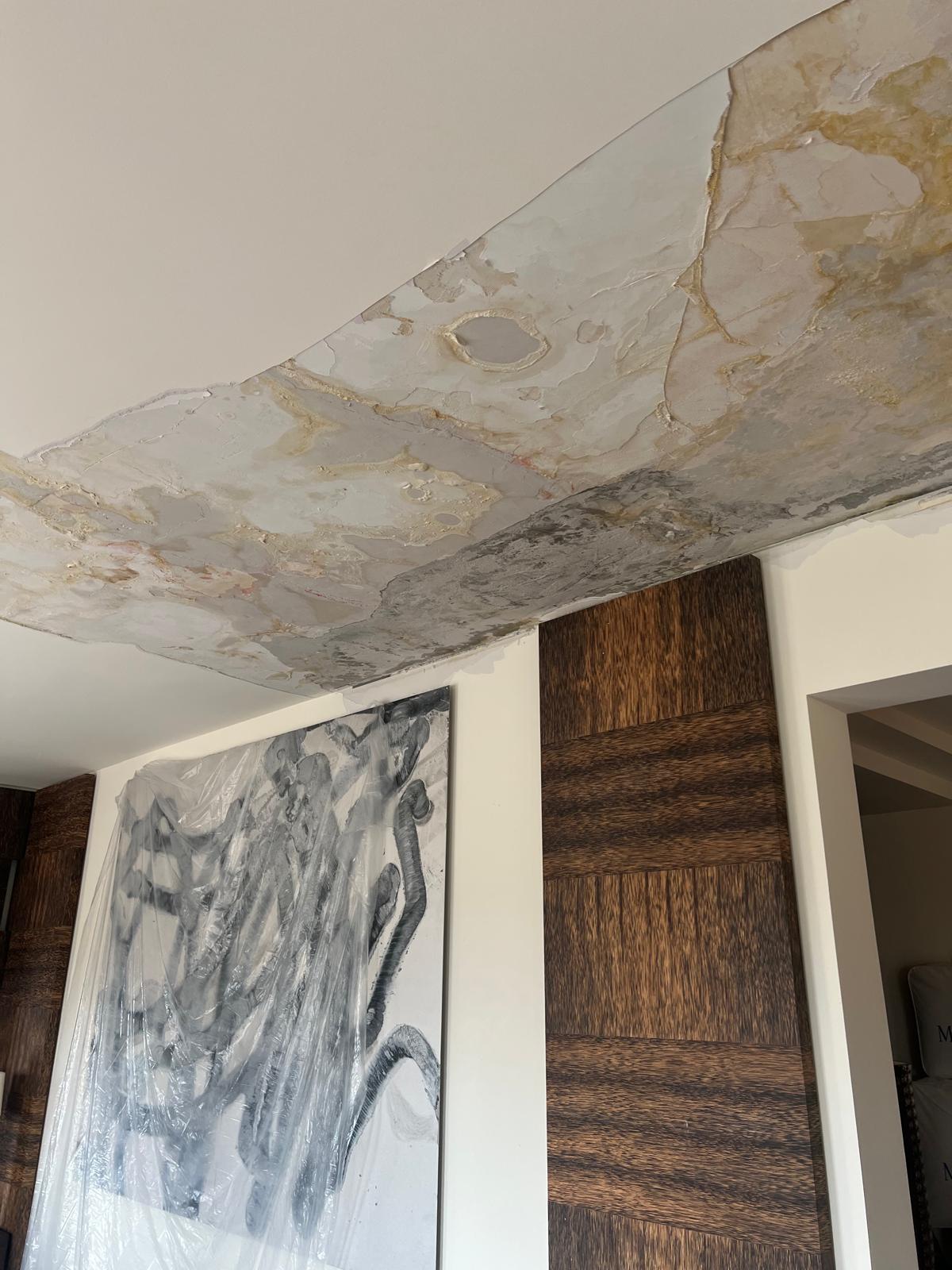
Mold After a Water Leak in an NYC Apartment: What to Do Before It Spreads
A ceiling leak or burst pipe can leave hidden moisture behind. Learn what NYC apartment residents should do after water damage and when mold testing makes sense.
Mold Testing
How to Test for Black Mold in Your NYC Apartment: Expert Tips
Worried about black mold in your apartment, co-op, or brownstone? Here's how to check for it, what DIY tests can and can't tell you, and when to call a licensed assessor.