
Home Systems
Mold in Attics — Causes and Solutions for New York City Homes
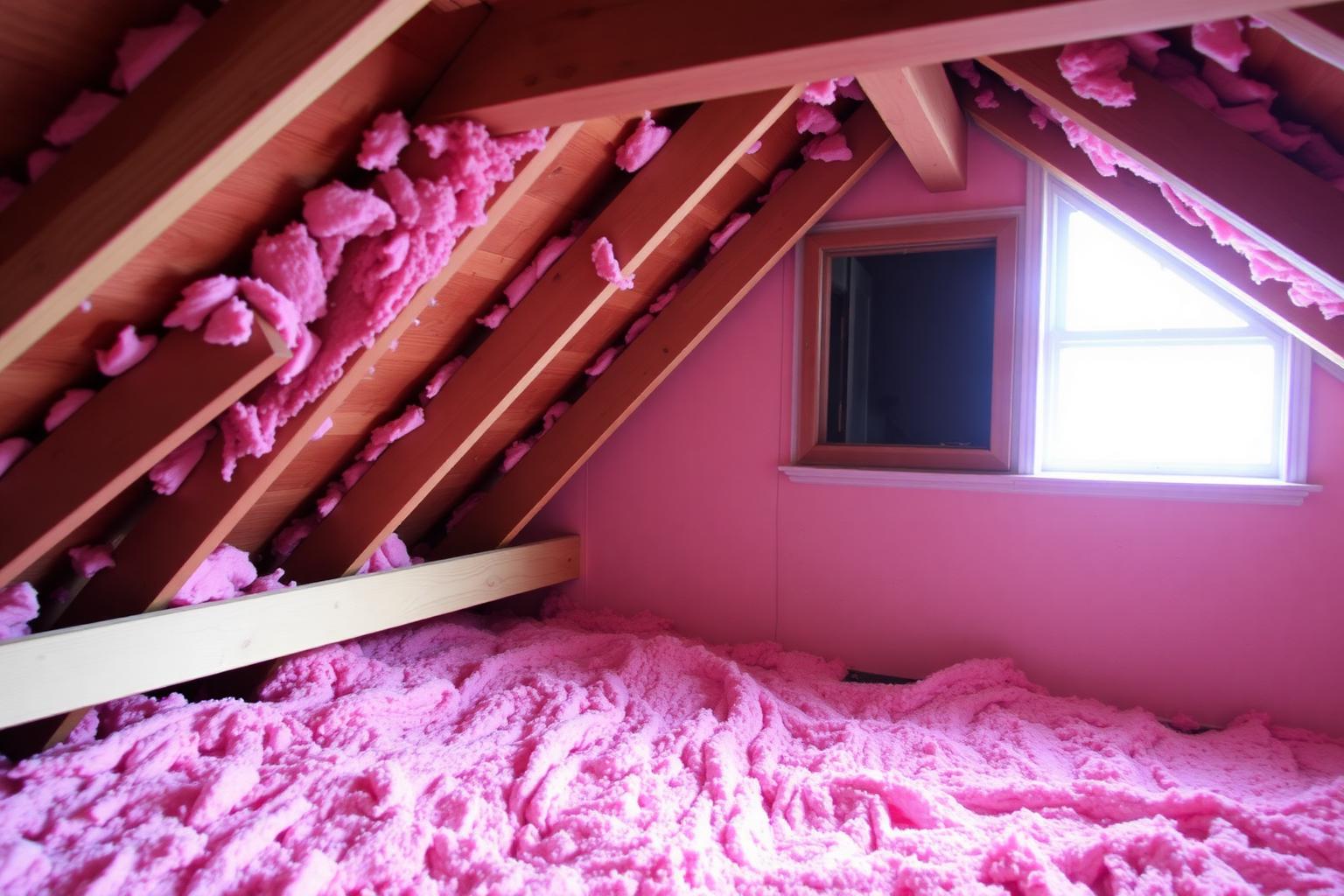
When we open attic access panels in New York City homes, we often find significant mold growth that homeowners had no idea existed. Attics are out of sight, out of mind — and frequently a hidden source of indoor air quality problems throughout the home below.
Why attics develop mold
The causes are predictable:
Inadequate ventilation. Attics need airflow to manage moisture. Many New York City homes have insufficient soffit vents, blocked baffles, or missing ridge vents. Without continuous air movement, humidity accumulates against the cool roof sheathing and condenses.
Bath fan venting into the attic. This is one of the most common causes of attic mold we encounter. The bathroom exhaust fan is supposed to vent to the exterior, but installers often terminate it in the attic instead. Every shower deposits gallons of warm moist air directly onto your roof sheathing.
Roof leaks. Failing flashing, lifted shingles, ice dam damage, ventilation pipe seals — leaks introduce moisture that's perfect for sheathing mold growth.
Insulation issues. Insulation that blocks soffit vents prevents proper ventilation. Insulation that's too low at the eaves creates cold zones where condensation forms.
Ice dams. Heat escaping into the attic melts roof snow, which refreezes at the eaves, forcing meltwater under the shingles and into the assembly.
Disconnected dryer vents. A dryer venting into the attic instead of outside is a moisture catastrophe.
How attic mold affects the rest of your home
The stack effect we discussed in the crawl space article works the same way with attics. Air moves upward through the home, exits through attic gaps, and creates negative pressure that pulls more air up. Attic spores, particularly when the HVAC system has any air handler equipment up there, can end up throughout the living space.
Additionally, mold-affected roof sheathing eventually fails structurally. What starts as a cosmetic discoloration becomes rot, requiring partial or full roof deck replacement.
What attic mold looks like
It varies by species: - Black streaking on roof sheathing — most common appearance, often Cladosporium or Aspergillus - White or grayish fuzzy growth — different species, equally problematic - Discoloration concentrated at eaves — points to ventilation failure - Discoloration in specific patches — often points to specific leaks (around vents, chimneys, etc.) - Darkening of the entire sheathing — usually indicates years of accumulated moisture exposure
What proper attic remediation involves
This is one area where contractor quality varies dramatically. Done right, attic mold remediation includes:
1. Source identification. Why did the mold grow? You can't remediate without fixing this. 2. Source correction. Repair roof leaks, reroute bath fans, install proper ventilation, fix dryer venting, address insulation problems. 3. Containment. Plastic barriers between attic and living space during work. 4. HEPA filtration. Air scrubbers running throughout the work. 5. Physical removal. Wire brushing, HEPA vacuuming, or sometimes encapsulation depending on conditions. 6. Antimicrobial application. Only after physical cleaning, never as a substitute. 7. Insulation replacement. Affected insulation is removed, not just brushed off. 8. Post-remediation verification. Air sampling confirms the work was effective.
Watch out for contractors who offer "ice and water shield" or "encapsulation paint" as a sole solution. Painting over mold doesn't address it — it just hides it.
Prevention checklist
- Verify soffit vents are present and not blocked by insulation - Confirm ridge vent or proper roof venting exists - Check that bathroom exhaust fans vent to the exterior - Confirm dryer venting goes through the wall or roof, not the attic - Inspect attic visually every 6-12 months - Address roof leaks immediately when discovered - Manage ice dams with proper insulation and air sealing - Don't store moisture-sensitive items in the attic - Keep attic temperature within reasonable range of outdoor temperature in winter (the closer the better)
Suspect attic mold? Don't ignore what you can't see. Call HBH at (631) 774-6502.
Keep Reading
Mold Testing
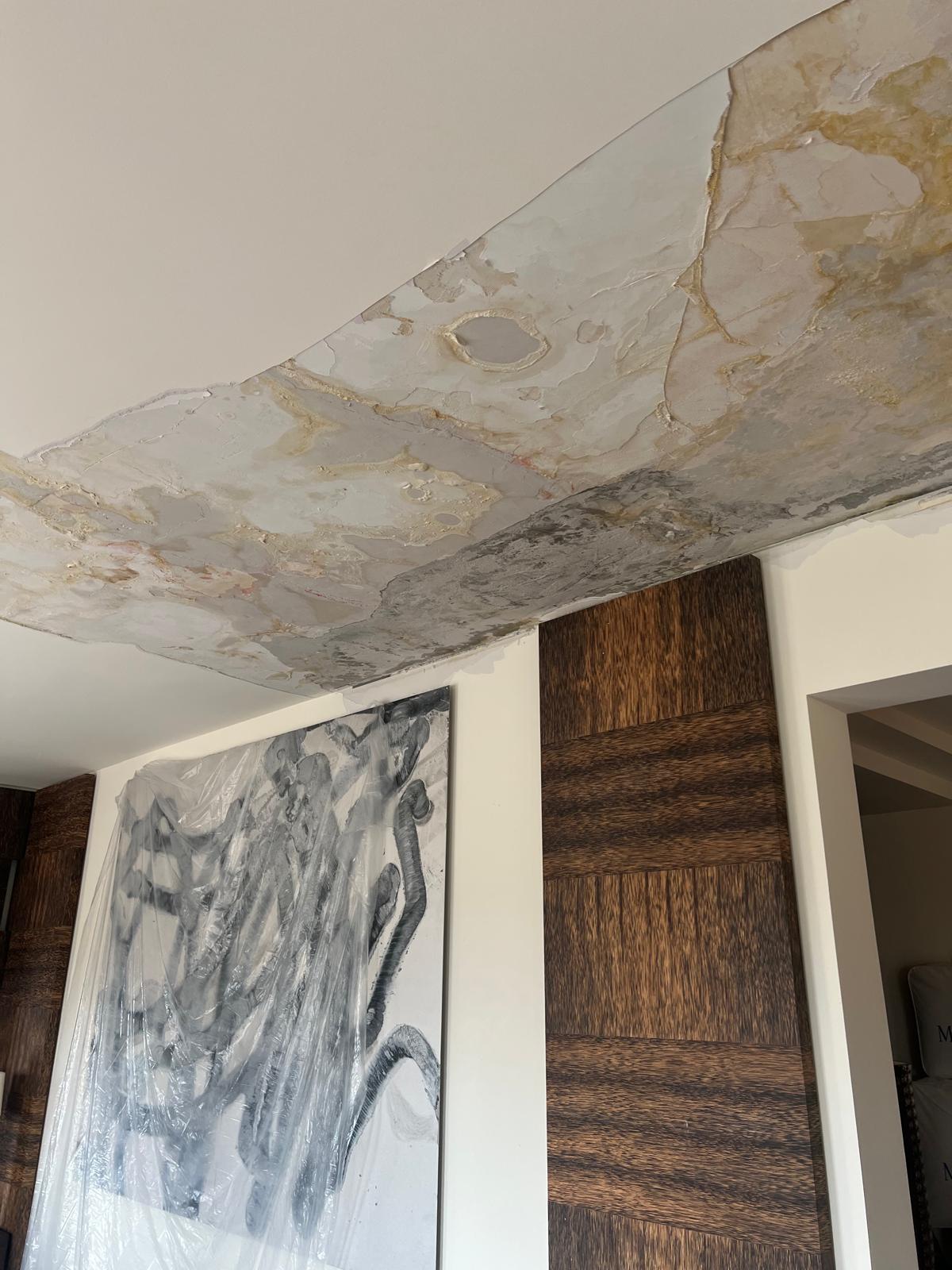
Mold After a Water Leak in an NYC Apartment: What to Do Before It Spreads
A ceiling leak or burst pipe can leave hidden moisture behind. Learn what NYC apartment residents should do after water damage and when mold testing makes sense.
Mold Testing
Post-Remediation Mold Testing in NYC: How to Know Your Mold Problem Is Really Gone
Cleaning up mold is one step. Find out how post-remediation clearance inspections help verify that work was completed properly in New York City properties.